
Reinforced Bladders and Textured Covers: What Makes a Street Soccer Ball Truly ‘Pro’?
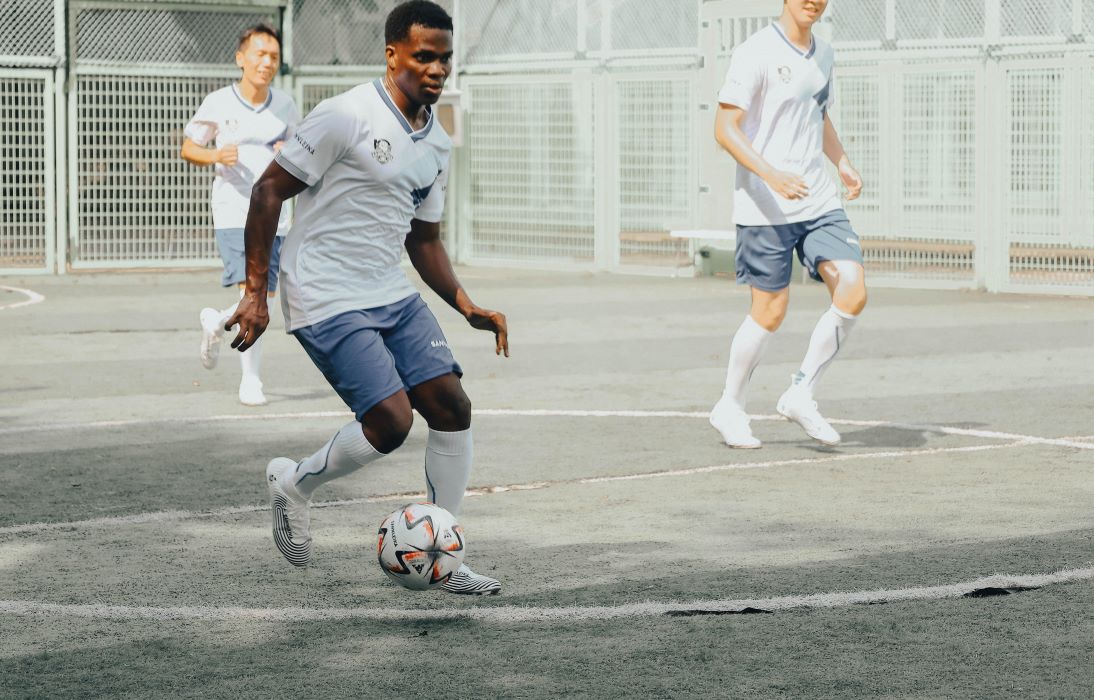
Street soccer grows stronger each year as players move from grass to concrete courts. This shift reshapes demands on the ball. A professional street soccer ball must survive constant friction, repeated impacts, and rough textures. Its structure matters more than appearance. Every layer influences durability, control, and performance, especially when players rely on the ball to react consistently on harsh urban surfaces. Reinforced bladders and textured covers define true professional-grade balls.
Concrete Courts Demand Durable Materials
Street courts rarely offer smooth ground. Players face uneven concrete, painted asphalt, or abrasive tiles. Each surface erodes the ball’s exterior during play. Professional street soccer balls use materials that resist tearing and deformation. While the exterior draws attention, the inner bladder often determines long-term performance. Reinforced layers help the bladder keep its shape under pressure. This structural stability ensures consistent bounce for fast play and sharp footwork.
The Importance of Textured Covers
Durability alone cannot define a ball’s performance. Street soccer values creativity, agility, and tight control. Smooth balls may slide too easily on concrete, reducing touch. Textured covers solve this problem by adding friction without sacrificing comfort. Proper patterns increase grip during dribbling while enabling quick directional changes. Players gain confidence during feints and fast transitions because the textured surface works with the foot.
Balancing Softness and Strength
Many players focus on material softness, but strength is equally vital. Balls that are too soft wear quickly; balls that are too firm feel uncomfortable. Professional street soccer balls use multi-layer composite covers that absorb impact while resisting abrasion. The composite system distributes stress evenly, reducing cracking and peeling. Controlled wear keeps the ball functional longer, even during daily urban training sessions.
Reinforced Bladders for Consistent Bounce
Inside the ball, bladder design is crucial. Standard latex bladders lose pressure quickly. Professional street soccer balls use butyl or reinforced butyl bladders. These hold air longer and maintain consistent internal pressure, supporting predictable bounce. Multi-layer reinforcement prevents punctures from concrete edges, rocks, or drains. Reinforced bladders ensure performance even on unpredictable urban surfaces.
Weight Distribution and Motion Control
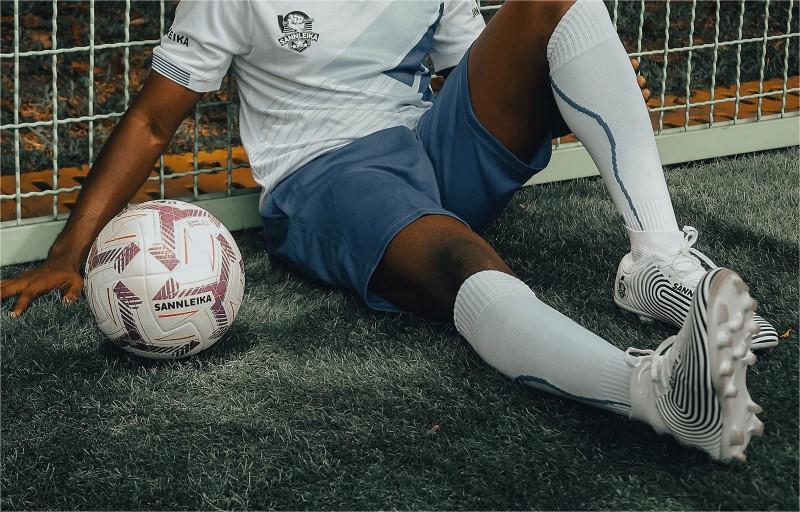
Bladder reinforcement also affects weight distribution. Street soccer balls are slightly heavier than standard outdoor balls. Added weight improves control on small courts and reduces wind interference. Reinforced bladders maintain uniform air distribution. Even small leaks or deformities can affect spin, which is critical for curved passes and sharp ground shots. Spin stability builds player confidence.
Panel Construction and Seam Bonding
Traditional stitched panels wear quickly on concrete. Professional street soccer balls use hybrid or thermally bonded panels to reduce abrasion points. Fewer seams maintain shape longer and resist water absorption. Bonded panels create a spherical profile for better accuracy. Panel construction ensures performance stability under rain or humidity, which is essential for urban outdoor play.
Surface Pattern and Grip
Surface texture style affects control. Micro-textured or embossed covers increase friction without restricting foot movement. Properly designed textures support toe drags, sole stops, and lateral slides. Players benefit from enhanced touch even on dusty or slippery concrete. The combination of cover design, coating, and bladder stability ensures responsive professional street soccer balls.
Color Visibility for Urban Play
Visibility is critical in mixed-light urban courts. Professional street soccer balls use high-contrast colors to help players track the ball. Durable pigments resist fading from sun exposure and concrete dust. Clear visuals improve reaction times and decision-making during high-speed games, reinforcing ball control under any lighting.
Shape Retention and Longevity
High-impact strikes on concrete can distort traditional balls. Reinforced carcass layers support uniform compression, preventing bulging or deformation. Transparent polyurethane coatings protect the texture from abrasion and water, prolonging its lifespan. Multi-layer reinforcement ensures professional street soccer balls remain reliable and responsive even after months of intensive use.
Weight Tolerance and Consistent Feel
Professional balls maintain a narrow weight range for flight stability and accuracy. Quality control ensures consistent density, bladder thickness, and panel bonding. Uniform balls support muscle memory and technique development. Predictable feel allows players to refine touches, spins, and control moves with precision.
Bounce Profile and Rebound Control
Street courts are hard surfaces, so professional street soccer balls feature slightly reduced rebound. Adjusted bladder elasticity keeps bounce controlled for tight play. Reinforced bladders prevent overstretching and maintain stability over long sessions. Controlled bounce improves ball reaction in fast-paced, small-space games.

Sole-of-Foot Handling
Street soccer emphasizes sole control. Textured covers enhance grip on the foot without sticking. Coating, texture, and panel bonding work together to ensure seamless ball handling. Subtle feedback from the cover supports precise maneuvers during dribbling, stopping, and passing.
Internal Winding and Structural Support
The internal winding layer stabilizes the ball, distributing force evenly across panels. Polyester or nylon winding prevents bladder distortion and improves rebound. Reinforced winding ensures long-term responsiveness, preserving the ball’s roundness and performance even after repeated impacts.
Moisture Resistance for Outdoor Play
Urban environments expose balls to puddles, humidity, and wet surfaces. Professional street soccer balls use multi-layer covers and PU coatings to resist moisture absorption. Stable weight improves dribbling speed, reduces fatigue, and preserves consistent ball control throughout play.
Evolving Materials for Pro Performance
Material science advances constantly. Vulcanized rubber panels, reinforced thermal bonding, and improved coatings increase durability and grip. Each innovation enhances touch, control, and longevity. Modern professional street soccer balls continue to evolve to meet urban play demands.
Conclusion: Combining Durability and Playability
Professional street soccer balls blend reinforced bladders, textured covers, bonded panels, and protective coatings. Each component contributes to durability, control, and responsiveness. True professionals’ balls balance strength and playability, surviving harsh conditions while delivering refined performance. Players benefit from consistency, precise reactions, and long-lasting reliability, making the ball an extension of their skill and creativity on the concrete pitch.





Add comment